THINKING LABS - 4
Thinking Labs are small discussion groups composed of IPA Members and Candidates. Participants meet online twice per month for three months (six meetings in total, each meeting is 90 minutes long) to discuss a specific topic. At the end of the three months, they may write a paper about their experience, which may be published on the IPA website. This semester, we are offering two groups in English and one group each in Mandarin, Portuguese, and Spanish, all starting in March 2025. Before registering, please read the important application notes below.
Final Reports 2025
SPANISH
- Patricia Alkolombre & Renata Vives:
Exploraciones psicoanalíticas en biotecnología reproductiva
(Psychoanalytic explorations in reproductive biotechnology)
ENGLISH
- Mark Goldblatt, Reinhard Lindner and Martin Teising:
Suicidality and Self-attack from a psychoanalytic perspective
- Amy Levy:
The New Other: “Alien” Intelligence and the Human Psyche
PORTUGUESE
- Leopold Nosek:
Desafios Cotidianos em Nossa Prática (Everyday challenges in our practice)
CHINESE
- Nancy Pei-Ling Yu:
訂製完美身體: 跨文化與跨世代觀點
(Tailor-made perfect body: cross-cultural and cross-generational perspectives)
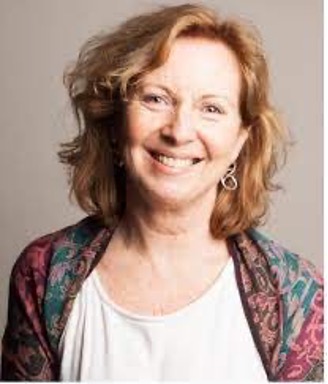
Patricia Alkolombre and Renata Vives (left to right)
Language: Spanish
Title: Exploraciones psicoanalíticas en biotecnología reproductiva
Introduction:
Subtema 54° Congreso IPA: Tecnología y mente humana. El objetivo de este Laboratorio de pensamiento (Thinking Lab) es discutir los efectos psíquicos de la biotecnología reproductiva sobre las subjetividades.
¿Cómo orientar el desarrollo científico-biotecnológico, en razón del progreso, sin incluir sus efectos psíquicos sobre la subjetividad? ¿Qué efectos emergen de las nuevas familias formadas a partir de las biotecnologías? ¿Cuál es el lugar del analista en estos cambios psíquicos e interpersonales en estos escenarios? ¿Cómo pensar los aspectos éticos en un mundo futuro? Estas son algunas de las preguntas que presentaremos en el laboratorio de pensamiento para su discusión.
Moderator Bios:
Patricia Alkolombre es Ph.D, psicoanalista miembro titular de la Asociación Psicoanalítica Argentina y Presidenta de COWAP (Comité Mujeres y Psicoanálisis de la API). Es docente de posgrado en la Maestría APA-UBA. Es autora de varias publicaciones, entre ellas Deseo de hijo. Pasión de hijo. Esterilidad y Técnicas Reproductivas a la Luz del Psicoanálisis (2008); Travesías del cuerpo femenino (2012) (Declarada de Interés Cultural y de Salud por la Legislatura de la Ciudad de Buenos Aires) y The Desire and Passion for a Child. Psychoanalysis and Contemporary Reproductive Techniques (2023).
Renata Vives es psicoanalista, miembro titular de la Sbpdepa, analista de niños, adolescentes y adultos. Coordina grupos de estudio sobre reproducción asistida. Editora del libro, junto con Ana Teresa Vale: Embarazo, reproducción asistida y psicoanálisis. Editora de Cowap Brasil; miembro de Cowap para América Latina.
Language: English
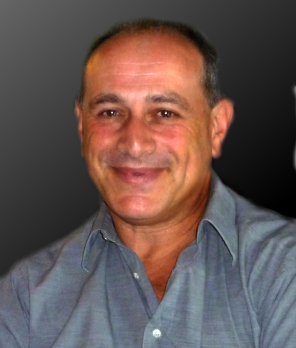
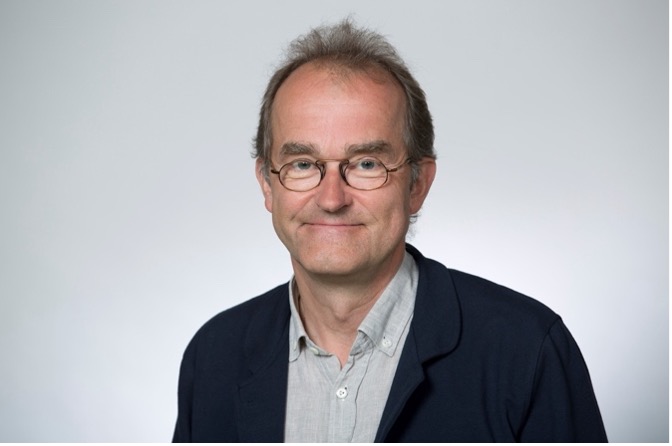
Mark Goldblatt, Reinhard Lindner and Martin Teising (left to right)
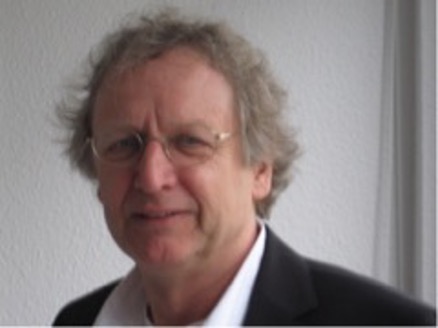
Title: Suicidality and Self-attack from a psychoanalytic perspective
Introduction:
Suicidality, including suicidal thoughts, fantasies and actions, is always a major challenge in clinical practice. In this Thinking Lab, we want to explore the psychoanalytic understanding of suicidality as well as the psychoanalytic attitude in the therapeutic relationship with suicidal patients in analysis and in psychoanalytic psychotherapy. The therapeutic approach to suicidality in the transference and countertransference is influenced by different theoretical concepts from various psychoanalytic schools, as well as societal influences on the ethical evaluation of suicidality, and personal judgments. We would like to discuss in depth these and other issues with clinical examples in the six sessions of the Thinking Lab.
Moderator Bios:
Mark Goldblatt, MD is a psychiatrist and psychoanalyst in Cambridge, Massachusetts. He is a Faculty Member of the Boston Psychoanalytic Society and Institute. He is the Chair of the Discussion Group on The Treatment of Suicidal Patients at the annual meetings of the American Psychoanalytic Association. He is an Associate Clinical Professor of Psychiatry, Harvard Medical School and teaches and supervises residents at McLean Hospital. He is a Founding Member of the Boston Suicide Study Group which focuses on the psychoanalytic understanding of self-destructive patients. His extensive writings reflect his interest in suicide and psychoanalysis.
Prof. Dr. Reinhard Lindner, MD. Specialist in neurology, psychiatry and psychosomatic medicine. 1994 – 2012 psychotherapist (DGPT) at the Center for Psychotherapy and Studies of Suicidality, University Hospital Hamburg-Eppendorf, 2007 – 2018 Consultant of Geriatric Psychosomatics at Medical-Geriatric Clinic Albertinen-Haus, Hamburg, since 2018 full professor of “Social Therapy” at Faculty of Humanities, University of Kassel, Germany. Supervisor and training psychotherapist at various training institutes for psychodynamic psychotherapy in Hamburg, Germany. Since 2018 managing director of the National Suicide Prevention Program for Germany (NaSPro). Research interests include age- and gender specific aspects of suicidality, suicide prevention, psychodynamic psychotherapy in old age.
Prof. Dr. Martin Teising, MD, PhD. Specialist in psychiatry and psychosomatic medicine. 1994-2012 professor at the university of applied sciences Frankfurt. 2012-2018 President of the International Psychoanalytic University Berlin. Training analyst of the German Psychoanalytic Association (DPV. European Representative on the Board of the International Psychoanalytic Association (IPA). Research interests include the psychodynamics of suicidality, theories of illness, and psychoanalytic conceptual research.
Language: English
Moderator: Amy Levy
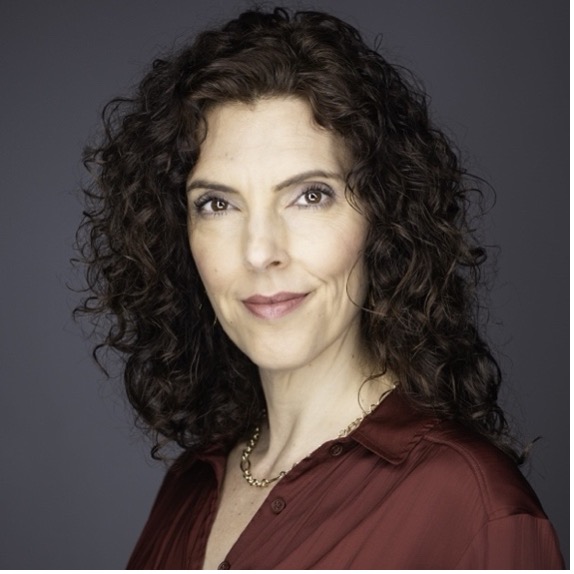 Title: The New Other: “Alien” Intelligence and the Human Psyche
Introduction:
Humanity has engineered a new Other. Sometimes referred to as a “digital species,” AI technology has the capability to think about our minds, communicate with us at conscious and unconscious levels, and act as a new “container” for human psychic life. From a psychoanalytic perspective, AI is our symptom. What does it reflect about humanity? Our problems and our desires? Join moderator, Dr. Amy Levy, for a Thinking Lab well matched with the upcoming 54th IPA Congress subtheme: Technology and the Human Mind, in which we will endeavor to shine light on the meanings and origins this very human innovation.
In addition to understanding the factors driving AI innovation, we will study AI companions such as therapy bots, boyfriend/girlfriend bots, and Large Language Models (LLMs) such as ChatGPT and Claude, paying close attention to their influence on our minds and lives. Using Bionian theory, we will analyze the range of transformations AI “containers” offer from the evasive to the transcendent. As AI becomes our new fount of wisdom, meaning and life direction, one cannot escape awareness that the humanist way of life is receding. We will explore what it might meant to mourn humanism, as well as what might await us on the other side.
Moderator Bio:
Amy Levy, Psy.D. is a forensic psychologist and psychoanalyst. She co-chairs the American Psychoanalytic Association’s (APsA) Council on Artificial Intelligence (CAI). Dr. Levy is a teacher and speaker on topics including psychoanalysis of the smartphone and artificial intelligence, Bionian theory, psychological and cognitive assessment, forensic evaluations and courtroom testimony, and group therapy. Her publication topics include the intergenerational transmission of trauma, adolescent PTSD in the civil legal arena, and Bionian theory. She is author of a soon to be released book for Karnac, On Apprehending the New Other: Alien Intelligence and the Innovation Drive. Dr. Levy maintains a private practice in Chapel Hill, North Carolina.
Language: Portuguese
Moderator: Leopold Nosek
 Title: Desafios Cotidianos em Nossa Prática
Introduction:
Freud escreveu suas primeiras obras em um mundo anterior à Primeira Guerra Mundial. Ele propôs uma revisão teórica no período entre guerras. A psicanálise se expandiu significativamente durante a diáspora dos analistas da Europa. O mundo em que praticamos nos desafia com novas questões. Onde o pensamento contemporâneo ainda não se organizou, podemos considerar que adentramos um território traumático. Encarar esse território aceitando nosso assombro e evitando fundamentalismos é o desafio que enfrentamos.
Moderator Bio:
Membro Titular e Analista Didata da SBPSP e Professor do Instituto de Psicanálise Durval Marcondes da SBPSP. Foi Presidente dessa Sociedade (1993/1994 - 1995/1996). Presidente da FEBRAPSI (1991/1993). Presidente da FEPAL (2010/2012). Recebeu o Prêmio Sigourney 2014 por contribuições significativas à psicanálise.
Language: Chinese
Moderator 游佩琳 (Nancy Pei-Ling Yu)
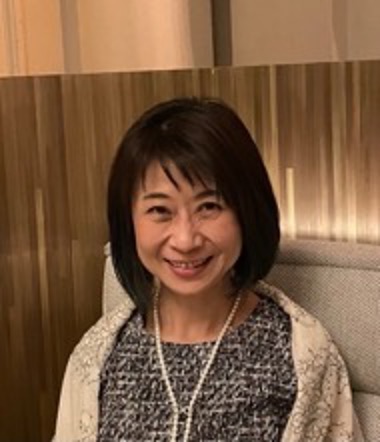 Title: 訂製完美身體: 跨文化與跨世代觀點 Tailor-made perfect body: cross-cultural and cross-generational perspectives
Introduction:
身體, 不但是自我(ego)發展的起點, 同時一直是心智活動展演的劇場. 我們在臨床工作中看見飲食疾患透過控制飲食及體重, 經由身體呈現主導權之爭; 也在日常生活習慣醫美技術進步, 滿足人們青春永駐, 不老不死的全能幻想; 甚或見證跨性別者透過改變生理性徵或衣著打扮, 掙脫被定義的命運.
針對完美身體的想像, 在不同的文化或世代中, 也有明顯的不同. Marilyn Monroe的豐滿, 對比 Kate Moss的纖細; Brooke Shields的濃眉長腿, 對比劉玉玲 (Lucy Liu)的典型亞洲人鳳眼. 當滿街走動的都是整形外科醫師得意作品, 人們是直接成為理想的自我形象, 還是被無差別美感異化了?
延續2025年三月的COWAP-IPSO線上會議主題, 以及2025 里斯本 IPA Congress 的子題 Specificity of Psychoanalytic Work across Cultures, 我們計畫在六次的討論中, 再次深入探討診療室裡外的現象, 並透過文獻閱讀, 試著用中文整理我們的思路.
Moderator Bio:
精神科醫師, 國際精神分析學會精神分析師 (IPA direct member)
英國倫敦學院大學精神分析理論碩士
目前為台灣精神分析學會 (Taiwan Center for the Development of Psychoanalysis, IPA Allied-center) 常務理事
台灣精神分析研訓會 (Taiwan Psychoanalytic Society) 會員