Ralph E. Roughton, M.D.
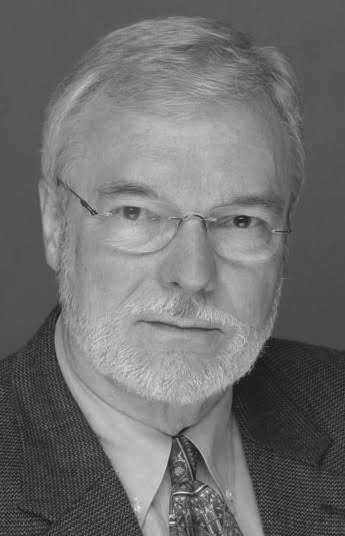
In Memory of Ralph E. Roughton, M.D. (1931–2026)
A Tribute from the IPA Committee on Sexual and Gender Diversity Studies
There are figures whose influence shapes a field not through the force of doctrine but through the force of integrity. Ralph E. Roughton was such a figure.
Roughton spent the first decades of his career living in the shadow that the psychoanalytic institution itself had cast over him. When he eventually stepped into the light — publicly, deliberately, at professional cost — he did not do so in anger. He did so with the kind of patient, relentless civility that is perhaps the most demanding form of courage there is. As founding chair of the APsA Committee on Issues of Homosexuality, and later as the Association’s consultant to institutes across the United States, he changed not only policy but the texture of what it was possible to be inside a psychoanalytic institution.
His work did not stop at the national border. When the IPA had yet to clarify whether its general non-discrimination policy extended to homosexual candidates and analysts, Roughton took the question directly to the organization — writing for the IPA newsletter’s Dialogue series, co-signing a formal protest to IPA President Daniel Widlöcher, and sustaining a public debate across the membership that met, predictably, with resistance. He understood, and had written, that a non-discrimination policy is necessary but not sufficient: changing minds requires something more sustained, more personal, and more costly than a formal motion.
His influence reached us. When the IPA Committee on Sexual and Gender Diversity Studies was founded in 2017 — under the vision and leadership of its founding chair, Marco Posadas — it was built on ground that Roughton had helped clear. He did not plant our particular tree, but he broke the ground.
What strikes me most, in reading his words and the testimonies of those who knew him, is how clearly he understood that institutional change and personal transformation are inseparable processes. He did not wait for the field to change before changing himself. He changed himself in full view of the field, and trusted the rest to follow. That trust was not naïve — it was a clinical and ethical wager, made with full knowledge of the stakes.
We in the S&G Committee are his inheritors, whether or not we knew his name before this moment. The work of making psychoanalytic institutions genuinely habitable for LGBTQIA+ candidates, analysts, and patients is not finished. But it is more possible than it was, because of what he did with his one professional life.
Silvia Acosta
Chair, IPA Committee on Sexual and Gender Diversity Studies