THINKING LABS -7

Thinking Labs are small discussion groups for IPA Members and Candidates. Participants meet online twice a month for three months (six meetings in total; each meeting lasts 90 minutes) to discuss a specific topic. At the end of the three months, participants may write a paper about their experience. Selected papers may be published on the IPA website.
This semester (September–December 2026), two groups are offered: one in English and one in Spanish. Please see each group page for the detailed schedule.
Important Notes for Application
Eligibility: Only IPA Members and Candidates may participate. Applications must be submitted through this webpage. Please do not contact the moderators directly.
Meeting Times: Please confirm all meeting dates and times in your local time zone, including any region-specific Daylight Saving Time rules. Make sure you can attend all scheduled sessions before applying.
Participation Confirmation: Submitting this registration form does not guarantee your participation. After the application deadline, we will send you an email with instructions on how to complete the necessary documents, such as a consent form. Participation will be confirmed in the order in which all required steps are completed, and you will receive a confirmation email once your participation is secured. Please make sure that emails from the IPA do not go to your spam folder.
Priority in Case of Oversubscription: If the number of applicants significantly exceeds the group's capacity, priority may be given to first-time participants in order to provide opportunities to as many members as possible.
Cancellation: If unforeseen circumstances prevent you from participating after your spot is confirmed, please contact us immediately at
[email protected]. Places are limited, and withdrawing without notice deprives a fellow member of an opportunity they were hoping for. We understand that circumstances can change, but we kindly ask you to let us know as soon as you realize you are unable to attend, at any point in the process.
Naoe Okamura
Coordinator of the Thinking Labs, Member Engagement Subcommittee
Gouri Salvi
Chair, Member Engagement Subcommittee
A Chris Heath
Chair, IPA Communications Committee
Moderators September - December 2026
ENGLISH
Kannan Naveratnem: On Listening: Independent Perspectives
Clara Nemas: Beyond the End of Analysis - Reflections on Follow-up and the Fate of Psychic Development
SPANISH
Nahir Bonifacino: Psicoanálisis y confidencialidad: dilemas y desafíos en el uso de material clínico.
Adriana Prengler: “Preservando la asociación libre en contextos socio-políticos no libres”.
The Group in English
Title: On Listening: Independent Perspectives
Language: English
Moderator: Kannan Naveratnem
 Theme
Theme
Freud’s concept of ‘evenly suspended attention’ which allows the analyst to “catch the drift of the patient’s unconscious with his own unconscious” (1923), completely changed the way in which a particular way of analytic listening became therapeutically psychologically beneficial and emotionally valuable to the patient. It was not simply the analyst listening to the patient’s unconscious, but listening to himself/herself listening to the patient. “It is a very remarkable thing that the unconscious of one human being can react upon another, without passing through the conscious.” (1915).
Parsons (2009) stated that Independent clinical technique is primarily a way of listening. He argued that When a patient is speaking, it may seem obvious what the analyst is doing: listening to the patient's ‘material’ and trying to understand it. In periods—perhaps long periods—of silence, there may seem nothing to listen to, and nothing for the analyst to do except to wait. But the waiting analyst is not doing nothing. Just as much as to a patient's words, an analyst will listen to the silence, and not in the hope of finding something to say. This kind of listening, whether to a patient's silence or their speech, is a continuous invisible activity of the analyst's making himself available to be psychically utilized.
Format
Based on the above introduction, I expect our group free associatively to follow a discussion of the theory and technique of listening. However, the framework of reference will be the Independent Tradition (in the British School of Object-Relations). I welcome contributions, which may include relevant but short clinical vignettes or particular theoretical points of view.
Number of Participants
Maximum 9 participants
Dates and time of the meeting
(90 minutes per session, six sessions in total, held between September and December 2026)
Saturdays from 3 to 4.30pm (London time)
•
26th September 3:00-4:30pm (London BST time, UTC+1)
•
10th October 3:00-4:30pm (London BST time, UTC+1)
•
24th October 3:00-4:30pm (London BST time, UTC+1)
•
7th November 3:00-4:30pm (London GMT time, UTC)
•
28th November 3:00-4:30pm (London GMT time, UTC)
•
6th December 3:00-4:30pm (London GMT time, UTC)
Moderator Bio:
KN is a psychoanalyst in private practice in London, a member of the British Psychoanalytical Society, and a training analyst for child and adult psychotherapy trainings at the Tavistock Clinic.
He is an Honorary Associate Professor in the Psychoanalysis Unit at University College London, and teaches at the Institute of Psychoanalysis, British Psychoanalytic Association, the Tavistock Clinic, and in Australia, China, India, and the US. He is a co-chair of the Scientific Committee of the IPA.
The Group in English
Title: On Listening: Independent Perspectives
Language: English
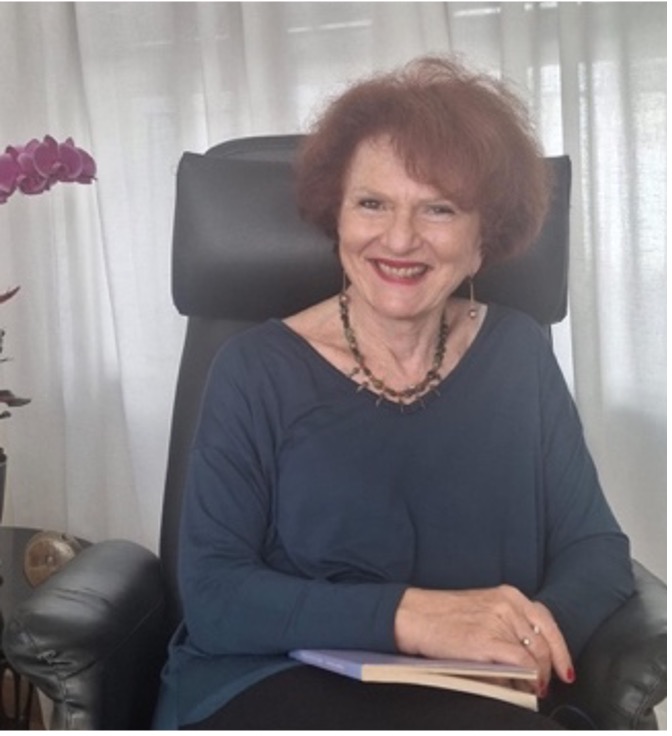
Moderator: Clara Nemes
 Theme
Theme
As early as 1900, in a letter to Fliess, Freud wrote: "The asymptotic termination of the treatment is substantially a matter of indifference to me; it is for outsiders rather that it is a disappointment. In any case, I shall keep an eye on the man..."
One hundred and twenty-six years later, do we still "keep an eye on the man"?
The aim of this seminar is to explore our ideas about "Analysis Terminable and Interminable" (1937) from a contemporary perspective. We shall revisit different conceptions of psychic change, beginning with Freud and following their development through Klein and the post-Kleinian tradition.
According to Meltzer, as he developed an increasing conviction about the beauty and goodness of the psychoanalytic method, he became more insistent on establishing a formalized follow-up period, consisting of occasional letters reporting self-analytic work, punctuated by rare consultations. These letters often ended with an attempt to reassure the analyst while hinting that a resumption of analysis might perhaps be contemplated.
Do we regard this follow-up as part of our analytic work? This seminar is an invitation to reflect on this important question.
Format
The discussion will be based on papers by Freud, authors in the Kleinian tradition, and contemporary debates. The seminar will be conducted as a discussion group based on the prior reading of the selected bibliography and the active participation of its members.
Number of Participants
Maximum 20 participants
Schedule
(90 minutes per session, six sessions in total, held between September and December 2026)
Tuesdays from 10:00am to 11.30pm (Buenos Aires time)
•
15 September 10:00-11:30 am (Buenos Aires time, UTC-3)
•
6 October 10:00-11:30 am (Buenos Aires time, UTC-3)
•
20 October 10:00-11:30 am (Buenos Aires time, UTC-3)
•
3 November 10:00-11:30 am (Buenos Aires time, UTC-3)
•
17 November 10:00-11:30 am (Buenos Aires time, UTC-3)
•
1 December 10:00-11:30 am (Buenos Aires time, UTC-3)
Moderator Bio:
Dr. Nemas is a Training analyst at the Buenos Aires Psychoanalytic Association (APdeBA). She is the Chair of the Kleinian Developments Department in APdeBA from 2012 and conducts the Continuing Education Seminar on Meltzer. She is an Associate Book Review Editor of the
International Journal of Psychoanalysis (IJP). She has published several chapters in books such as
Attacks on Linking Revisited (2017),
From Reverie to Interpretation, Routledge (2018) and
The Work of Donald Meltzer Revisited (2024). She also has published articles in the
IJP. She is in private practice in Buenos Aires in psychoanalysis and clinical supervision.
El Grupo en español
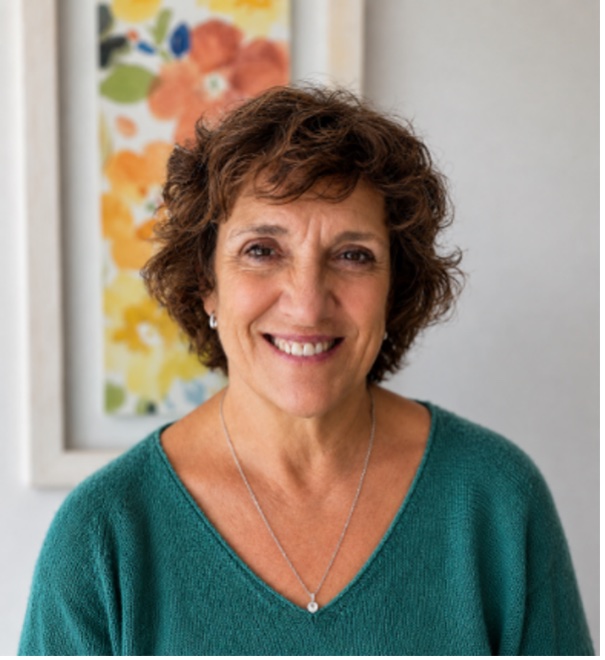
Moderadora: Nahir Bonifacino
Idioma: Español
Título: Psicoanálisis y confidencialidad: dilemas y desafíos en el uso de material clínico.
 Introducción al tema
La confidencialidad es un principio ético fundamental en psicoanálisis y un pilar de la técnica, que habilita al paciente a asociar libremente.
Sin embargo, la necesidad de compartir material clínico con colegas durante la formación o en congresos y publicaciones resulta fundamental para el desarrollo profesional individual y el del propio psicoanálisis como disciplina.
Esta realidad instala un dilema de compleja resolución. El riesgo de ruptura o violación de la confidencialidad está presente en todo escenario de trasmisión de material clínico. Además, el uso actual de la tecnología agrega un nuevo desafío.
¿Cuáles son nuestros recursos para proteger la identidad y los derechos del paciente al compartir material clínico? ¿Es posible pensar en un método generalizable que pueda abarcar a todas las situaciones por igual? ¿Es el consentimiento informado una opción válida para garantizar la protección del paciente y la ética del analista?
La preocupación por el cuidado de la confidencialidad impone sostener esta temática en forma viva y activa en la reflexión individual de cada analista y en la discusión colectiva, haciendo de la misma una cuestión de responsabilidad compartida en nuestra comunidad psicoanalítica.
Formato
La modalidad del grupo estará orientada a la discusión de posibles estrategias para el resguardo de la confidencialidad en el uso del material clínico en contextos de formación y difusión del psicoanálisis. También se considerarán los riesgos de la virtualidad en la práctica y en la trasmisión.
Se propondrán algunas lecturas en idioma español como punto de partida para la reflexión y el intercambio activo entre los integrantes en una discusión abierta.
No se requiere un estudio previo del tema.
Límite de participantes
15
Fecha y hora de las reuniones
(90 minutos por sesión, seis sesiones en total, septiembre - diciembre)
• Sábado 12 de septiembre, 11:00 a.m. (hora de Uruguay, UTC−3) – reunión introductoria
• Sábado 10 de octubre, 11:00 a.m. (hora de Uruguay, UTC−3)
• Sábado 24 de octubre, 11:00 a.m. (hora de Uruguay, UTC−3)
• Sábado 7 de noviembre, 11:00 a.m. (hora de Uruguay, UTC−3)
• Sábado 21 de noviembre, 11:00 a.m. (hora de Uruguay, UTC−3)
• Sábado 5 de diciembre, 11:00 a.m. (hora de Uruguay, UTC−3)
Moderadora: Nahir Bonifacio
Biografía de la moderadora:
Psicoanalista y psicoanalista de niños y adolescentes de la IPA. Miembro Asociado de la Asociación Psicoanalítica del Uruguay (APU). Doctora en Psicología y Psicopatología Perinatal e Infantil por la Universidad de Valencia (España)
Integrante latinoamericano en el Comité de Confidencialidad de IPA desde su creación en junio de 2017 hasta junio de 2021.
Actualmente integra el Comité de Publicaciones de IPA.
Psicoanalista y psicoanalista de niños y adolescentes de la IPA. Miembro Asociado de la Asociación Psicoanalítica del Uruguay (APU). Doctora en Psicología y Psicopatología Perinatal e Infantil por la Universidad de Valencia (España)
Integrante latinoamericano en el Comité de Confidencialidad de IPA desde su creación en junio de 2017 hasta junio de 2021.
Actualmente integra el Comité de Publicaciones de IPA.
Psicoanalista y psicoanalista de niños y adolescentes de la IPA. Miembro Asociado de la Asociación Psicoanalítica del Uruguay (APU). Doctora en Psicología y Psicopatología Perinatal e Infantil por la Universidad de Valencia (España)
Integrante latinoamericano en el Comité de Confidencialidad de IPA desde su creación en junio de 2017 hasta junio de 2021.
Actualmente integra el Comité de Publicaciones de IPA.
El Grupo en español
Título: Psicoanálisis y confidencialidad: dilemas y desafíos en el uso de material clínico.
Moderador: Adriana Prengler
Idioma: Español
 Introducción al tema
La asociación libre constituye uno de los pilares fundamentales del método psicoanalítico. Sin embargo, ¿qué ocurre cuando el contexto social, político o de otro tipo, restringe la libertad de pensamiento, expresión o disenso? Que sucede con la escucha analítica cuando el miedo, la censura, la polarización o la violencia están presentes en la vida cotidiana? ¿De qué manera la realidad externa modifica la transferencia y contratransfrencia, la neutralidad, la confidencialidad y la capacidad de pensar?
Este Thinking Lab propone un espacio de reflexión a lo largo de seis encuentros para explorar las complejas intersecciones entre práctica analítica y contexto sociopolítico. A partir de experiencias clínicas, textos psicoanalíticos, perspectivas históricas y situaciones contemporáneas, nos preguntaremos cómo preservar el pensamiento analítico cuando la libertad se ve amenazada, y qué puede aportar el psicoanálisis para comprender y sostener la capacidad de pensar en tiempos de crisis.
Invitamos a los colegas interesados en dialogar, cuestionar y construir nuevas perspectivas sobre un tema que interpela tanto nuestra práctica clínica como nuestra responsabilidad ética en el mundo actual.
Formato
No se requiere experiencia previa específica sobre el tema, sino interés para reflexionar conjuntamente desde diversas perspectivas. El formato será fundamentalmente participativo y orientado a la discusión.
El primer encuentro comenzará con el intercambio de ideas basado en la lectura de un breve texto introductorio para estimular asociaciones y experiencias clínicas relacionadas con el tema. Se propondrán algunas lecturas a lo largo de los encuentros.
El grupo estará abierto a analistas y analistas en formación de habla hispana de cualquier lugar del mundo. Consideramos que la diversidad de contextos socioculturales, institucionales y clínicos enriquecerá significativamente la reflexión colectiva y permitirá explorar cómo estas problemáticas se presentan y se abordan en distintos entornos.
Límite de participantes
15
Fecha y hora de las reuniones
90 minutos por sesión, seis sesiones en total, entre septiembre y diciembre.
Todas las reuniones serán los sábados a las 9:00 a.m. (hora de Seattle, América del Norte, hora del Pacífico). Tenga en cuenta que el horario cambiará el 1 de noviembre debido al fin del horario de verano.
•
Sábado 12 de septiembre, 9:00 a.m. (hora de Seattle, UTC−7)
•
Sábado 10 de octubre, 9:00 a.m. (hora de Seattle, UTC−7)
•
Sábado 24 de octubre, 9:00 a.m. (hora de Seattle, UTC−7)
•
Sábado 7 de noviembre, 9:00 a.m. (hora de Seattle, UTC−8)
•
Sábado 21 de noviembre, 9:00 a.m. (hora de Seattle, UTC−8)
•
Sábado 12 de diciembre, 9:00 a.m. (hora de Seattle, UTC−8)
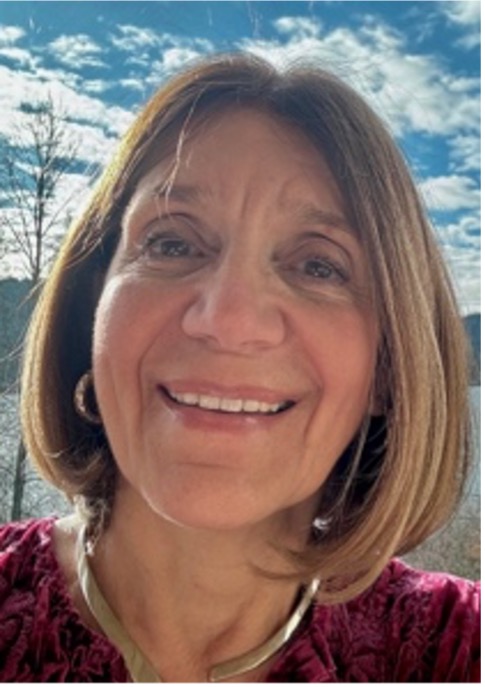
Moderadora: Adriana Prengler
Biografía de la moderador:
Adriana Prengler, originaria de Argentina, es psicóloga clínica y psicoanalista didacta de la Sociedad Psicoanalítica de Caracas y de NPSI en Seattle. Profesora de seminarios en NPSI y de Psicoterapia psicoanalítica en Wuhan, China. Fue Vicepresidenta de la Asociación Psicoanalítica Internacional (IPA) y previamente ocupó numerosos cargos en la IPA, FEPAL y sus instituciones locales. Ha publicado artículos en inglés y en español, con especial interés en los temas de migración, identificación, pérdida y duelo. Mantiene su práctica privada en Seattle.